







Creating comfortable home lighting is essential for making your living space both functional and inviting. Proper lighting affects your mood, productivity, and even your health. With so many options available, choosing the right lighting can feel overwhelming. This guide offers practical tips to help you select lighting that suits your needs while enhancing the comfort and style of your home.
Understanding the Importance of Comfortable Lighting
Before diving into specific tips, it’s helpful to understand why lighting comfort matters. Harsh or poorly planned lighting can cause eye strain, headaches, and discomfort. On the other hand, well-designed lighting creates a cozy atmosphere, highlights your interior design, and supports your daily activities, such as reading, cooking, or relaxing.
Different Types of Lighting to Consider
When planning comfortable home lighting, consider the three main types of lighting that work together:
– Ambient Lighting: General illumination that lights up the entire room, such as ceiling fixtures or recessed lights.
– Task Lighting: Focused light used for specific activities like reading, working, or cooking. Examples include desk lamps and under-cabinet lights.
– Accent Lighting: Highlights particular features such as artwork, plants, or architecture, adding depth and character to your space.
Balancing these layers helps create a versatile and comfortable environment.
Tips for Choosing Comfortable Home Lighting
1. Opt for Adjustable Lighting Solutions
Lighting that can be adjusted in brightness or direction enhances comfort. Dimmer switches allow you to control light intensity according to the time of day or activity. Adjustable lamps give you flexibility to focus light where needed without straining your eyes.
2. Choose the Right Color Temperature
Color temperature is measured in Kelvins (K) and influences the light’s appearance:
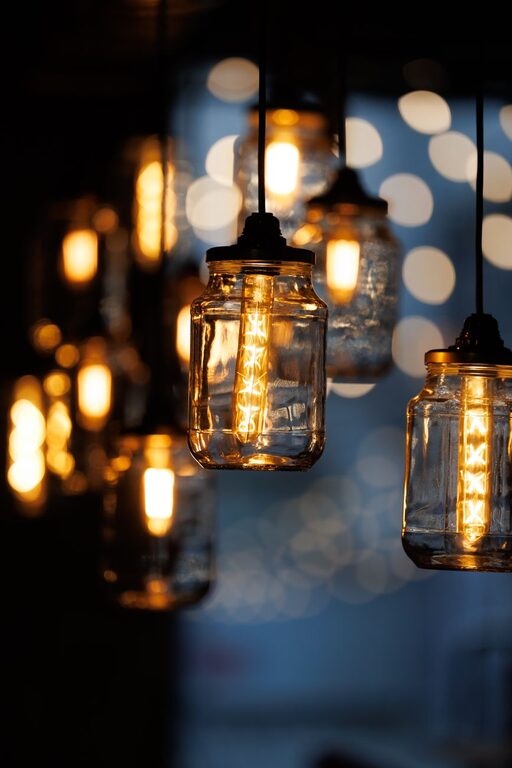
– Warm light (2700K–3000K): Creates a cozy, relaxing atmosphere, ideal for living rooms and bedrooms.
– Neutral light (3500K–4500K): Suitable for kitchens or bathrooms where you need clarity without harshness.
– Cool light (5000K+): Mimics daylight and works well in workspaces or garages for high visibility.
Opt for warmer tones in relaxing areas and neutral to cool tones in task-focused spaces.
3. Use Multiple Light Sources
Avoid relying on a single overhead light. Layer your lighting by combining ambient, task, and accent lights. This approach minimizes shadows and glare while allowing you to customize the lighting based on your needs.
4. Consider Energy-Efficient Bulbs
LED bulbs offer energy efficiency, long lifespan, and produce less heat, making them a smart choice. Modern LED bulbs come in a variety of color temperatures and brightness levels, giving you more options for comfortable lighting.
5. Pay Attention to Fixture Placement
Where you place your lighting fixtures matters. For example, task lights should be positioned to shine directly on the work area without causing glare or shadows. Avoid placing bright lights directly in your line of sight to reduce eye strain.
6. Match Lighting Style to Your Décor
Your lighting fixtures should complement your home’s style while providing comfort. Whether you prefer modern, minimalist designs or traditional elegance, there are comfortable lighting options to suit your taste.
7. Use Natural Light Wisely
Maximize the use of natural light during the day by keeping windows unobstructed and using light curtains or blinds. Natural light supports your body’s natural rhythms and reduces the need for artificial lighting.
8. Maintain Your Lighting System
Regularly clean your light fixtures and replace bulbs when needed to maintain optimal light quality. Dust and dirt can dim the light and reduce comfort.
Creating a Comfortable Lighting Plan for Each Room
Living Room
Use a combination of overhead ambient lighting, table lamps, and floor lamps. Consider dimmable options to create different moods for relaxing or entertaining.
Kitchen
Bright, neutral-toned task lighting above counters and sinks is essential. Under-cabinet LED strips are practical and improve visibility.
Bedroom
Choose warm-toned lights with dimming ability for a cozy, calming environment. Bedside lamps with adjustable brightness enhance comfort for reading.
Home Office
Bright, cool-white task lighting reduces eye strain and helps maintain focus. Position desk lamps to avoid screen glare.
Bathroom
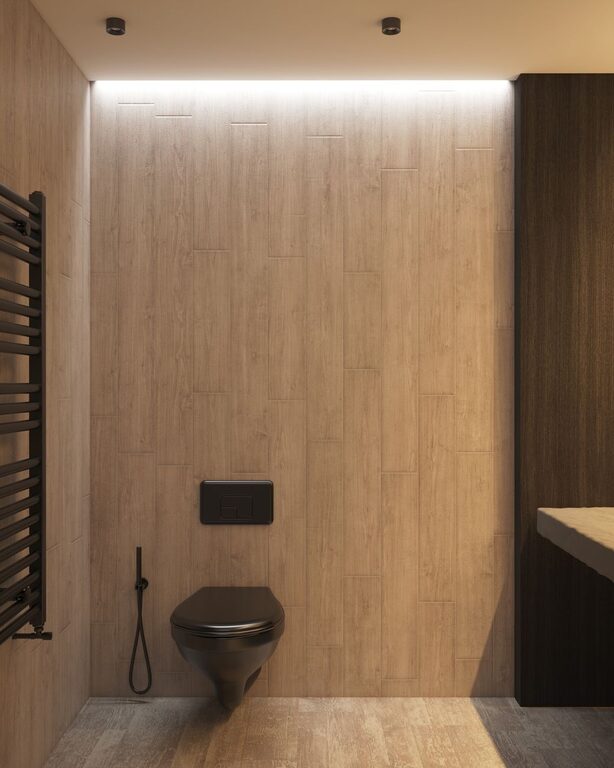
Use bright, neutral lighting around mirrors for grooming tasks. Avoid overly harsh overhead lighting.
Final Thoughts
Choosing comfortable home lighting involves a thoughtful blend of style, function, and personal preference. By considering color temperature, layering different types of lights, and using adjustable and energy-efficient fixtures, you can create a welcoming and practical environment. Remember to tailor your lighting plan to suit each room’s needs and enjoy the improved comfort that well-designed lighting brings to your home.