








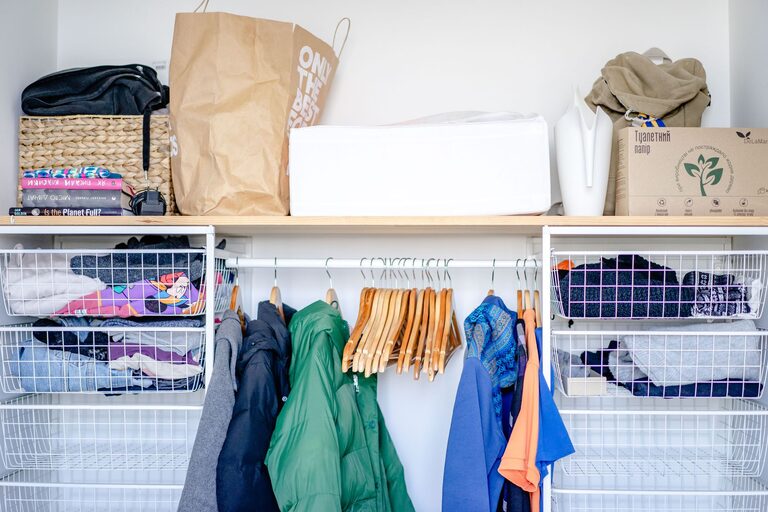
Storing seasonal clothes efficiently is essential for maintaining an organized wardrobe and making the most of your space. Whether you’re putting away bulky winter coats or light summer dresses, proper storage helps protect your garments and makes switching seasons easier.
In this guide, we’ll explore practical tips and methods to store your seasonal clothes neatly, ensuring they stay fresh and ready to wear when the next season arrives.
Why Proper Storage Matters
Clothes can be delicate. Improper storage can lead to wrinkling, fading, fabric damage, and even pest issues. Efficient storage saves time by keeping your wardrobe accessible and clutter-free. It also extends the life of your garments by protecting them from dust, moisture, and insects.
Step 1: Declutter Before Storing
Before packing away clothes, take a few minutes to declutter. Go through your seasonal wardrobe and ask yourself if you have:
– Worn an item in the past season?
– If it fits well and suits your style?
– Any damage that needs repair?
Donate, recycle, or discard unwanted items. This reduces the volume and makes storage more efficient.
Step 2: Clean Your Clothes Thoroughly
Always clean clothes before storing. Stains, dirt, and sweat can set into the fabric and attract pests during storage. Follow care labels for washing or dry cleaning instructions. Make sure all clothing is completely dry to prevent mildew and mold.
Step 3: Choose the Right Storage Containers
Selecting proper containers is key to efficient storage.
Types of Storage Options:
– Plastic bins with lids: Great for dust and moisture protection. Look for clear bins to easily see contents.
– Vacuum-sealed bags: Excellent for reducing volume by compressing bulky items like sweaters and jackets.
– Breathable fabric bags: Ideal for delicate or natural fabrics that need airflow to prevent mildew.
– Under-bed storage boxes: Utilize often-unused space for seasonal items.
– Storage cubes or baskets: Perfect for smaller items like scarves, hats, or gloves.
Avoid cardboard boxes, which can attract pests and degrade over time.
Step 4: Use Appropriate Folding and Packing Techniques
Proper folding and packing help save space and keep clothes wrinkle-free.
– Fold sweaters and knits carefully to avoid stretching.
– Roll t-shirts and casual wear to maximize space.
– Use acid-free tissue paper between delicate items.
– For dresses and coats, consider hanging them in garment bags if you have closet space.
Step 5: Add Protection Against Pests and Moisture
Pests like moths can damage fabrics, especially wool and silk. Moisture can cause mold.
– Place cedar blocks or lavender sachets in storage containers as natural repellents.
– Use silica gel packets to absorb moisture.
– Store clothes in a cool, dry place away from direct sunlight.
– Avoid storing clothes in basements or attics if they tend to be damp.
Step 6: Label Your Storage Boxes Clearly
Label each container with its contents. This saves time when retrieving items and prevents unnecessary rummaging. Use a permanent marker or printable labels on the outside of boxes or bags.
Step 7: Organize Storage by Season and Type
Group clothes by season (winter, summer) and type (tops, pants, accessories). This makes switching wardrobes efficient and keeps similar items together.
Step 8: Create a Seasonal Rotation Plan
To stay organized throughout the year, plan a regular seasonal rotation. When a new season approaches:
– Bring out the relevant boxes.
– Put away the out-of-season clothes following the steps above.
– Use this opportunity to reassess your wardrobe.
Bonus Tips for Small Spaces
If storage space is limited, consider these ideas:
– Use multi-functional furniture like ottomans with hidden storage.
– Install hooks or hanging organizers on closet doors.
– Store smaller items inside shoes or hats to use space creatively.
– Donate excess clothes regularly to avoid overcrowding.
Final Thoughts
Efficiently storing seasonal clothes is not only about space-saving but also caring for your wardrobe investment. By following these simple steps—cleaning, decluttering, using the right containers, and protecting your clothes—you can enjoy a tidy, organized closet all year long.
With a bit of planning, switching your wardrobe between seasons can become a smooth, stress-free process. Happy organizing!