






Planning balanced meals can often feel like a daunting task, especially with busy schedules and endless food choices. However, with a few practical strategies, you can create nutritious, satisfying meals without stress. This guide breaks down simple steps to help you plan balanced meals that support your health and fit your lifestyle.
What Is a Balanced Meal?
A balanced meal includes a variety of nutrients from different food groups to fuel your body properly. Typically, a balanced plate consists of:
– Proteins: Lean meats, fish, eggs, beans, tofu, or legumes.
– Carbohydrates: Whole grains like brown rice, quinoa, whole wheat bread, or starchy vegetables.
– Vegetables and Fruits: A colorful mix to provide vitamins, minerals, and fiber.
– Healthy Fats: Sources like olive oil, nuts, seeds, or avocado.
Including these components in reasonable portions helps maintain energy levels and overall health.
Benefits of Planning Balanced Meals Ahead
Taking time to plan meals in advance offers numerous advantages:
– Saves time and reduces last-minute cooking stress.
– Helps control portion sizes and nutritional balance.
– Supports budgeting and reduces food waste.
– Enables trying diverse foods and recipes.
– Encourages healthier eating habits.
Now, let’s explore how to make meal planning manageable and enjoyable.
Step 1: Assess Your Needs and Preferences
Start by considering your personal needs:
– Dietary goals: Weight management, energy boost, or specific nutritional targets.
– Food preferences: Favorite foods and any allergies or intolerances.
– Schedule: How much time you have for cooking each day.
– Household: Number of people sharing meals and their preferences.
Knowing these factors helps tailor your meal plan realistically.
Step 2: Create a Weekly Meal Plan Template
Design a simple weekly template to organize your meals:
– List breakfast, lunch, dinner, and snacks for each day.
– Aim to include different food groups at every meal.
– Plan to use leftovers or batch-cooked meals to save time.
Example:
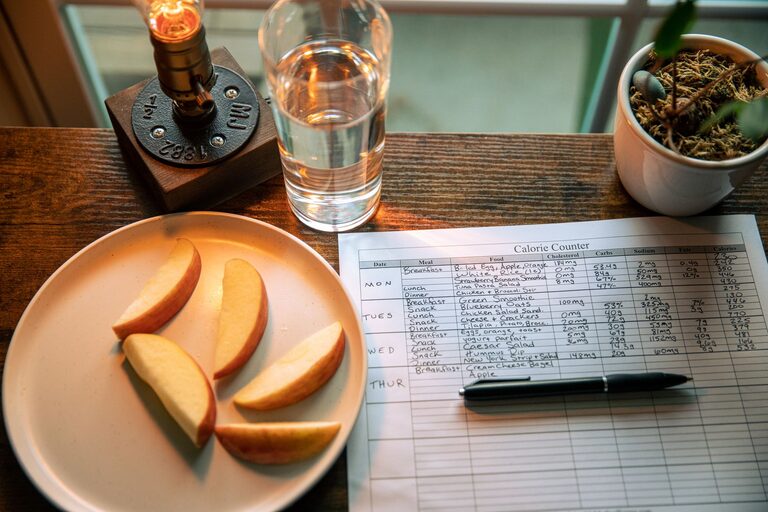
| Day | Breakfast | Lunch | Dinner | Snacks |
|———–|—————-|———————|———————-|—————–|
| Monday | Oatmeal + fruit| Chicken salad | Grilled salmon + quinoa + veggies | Nuts + yogurt |
| Tuesday | Smoothie bowl | Veggie wrap | Stir-fry tofu + rice | Hummus + carrots|
Using a template helps visualize your week and track variety.
Step 3: Build a Balanced Shopping List
With your meal plan ready, list all the ingredients you’ll need. To make shopping stress-free:
– Group items by category (produce, protein, pantry staples).
– Check what you already have to avoid buying duplicates.
– Choose seasonal fruits and vegetables for freshness and cost savings.
A well-organized list speeds up grocery shopping and reduces impulse buys.
Step 4: Practice Batch Cooking and Meal Prep
Preparing some ingredients or meals ahead can ease daily cooking:
– Cook grains like rice or quinoa in large batches.
– Roast or steam vegetables to use in different meals.
– Prepare protein portions (grilled chicken, boiled eggs) to add to salads or wraps.
– Portion snacks such as nuts or cut fruits in advance.
Meal prep saves time and allows for quick assembly of balanced meals during hectic days.
Step 5: Keep Recipes Simple and Flexible
Stress-free meal planning doesn’t require complicated recipes. Choose dishes with a few ingredients and straightforward steps. For example:
– Stir-fries with mixed vegetables and your choice of protein.
– Salads with leafy greens, a variety of toppings, and a simple dressing.
– One-pan meals combining grains, proteins, and veggies.
Feel free to swap ingredients based on availability or preference to keep things interesting.
Step 6: Listen to Your Body and Adjust
Balanced eating is not about perfection but about nourishing your body. Pay attention to hunger cues and energy levels. If a meal isn’t satisfying, consider adding more protein or fiber next time.
Also, flexibility is key. It’s okay to reorder meals, skip days, or treat yourself occasionally. Planning is a tool to assist you, not create pressure.
Additional Tips for Stress-Free Meal Planning
– Use technology: Meal planning apps or online recipe collections can provide inspiration and organization.
– Involve family members: Share planning and cooking duties for a fun and collaborative experience.
– Keep staples on hand: Items like canned beans, frozen vegetables, and whole grains can be lifesavers.
– Focus on hydration: Remember to drink enough water throughout the day as part of balanced nutrition.
– Practice mindful eating: Enjoy your meals without distractions to better appreciate flavors and fullness.
Sample Balanced Meal Ideas to Get Started
– Breakfast: Greek yogurt with mixed berries, a drizzle of honey, and a sprinkle of granola.
– Lunch: Quinoa salad with chickpeas, cherry tomatoes, cucumber, feta, and lemon dressing.
– Dinner: Baked chicken breast, roasted sweet potatoes, and steamed broccoli.
– Snack: Apple slices with almond butter or a handful of mixed nuts.
Final Thoughts
Planning balanced meals doesn’t have to be overwhelming. By understanding your needs, organizing your week, preparing in advance, and keeping meals simple, you can enjoy nutritious food that supports your lifestyle without added stress. Start small, stay flexible, and discover the joy of eating well with ease.